
Sinai: history between mountains, pilgrimage and the sea
Journal · 2026-10-10
A guide to reading the landscape beyond Sharm’s resorts, with a clear distinction between religious tradition and documented history.
Start with the map
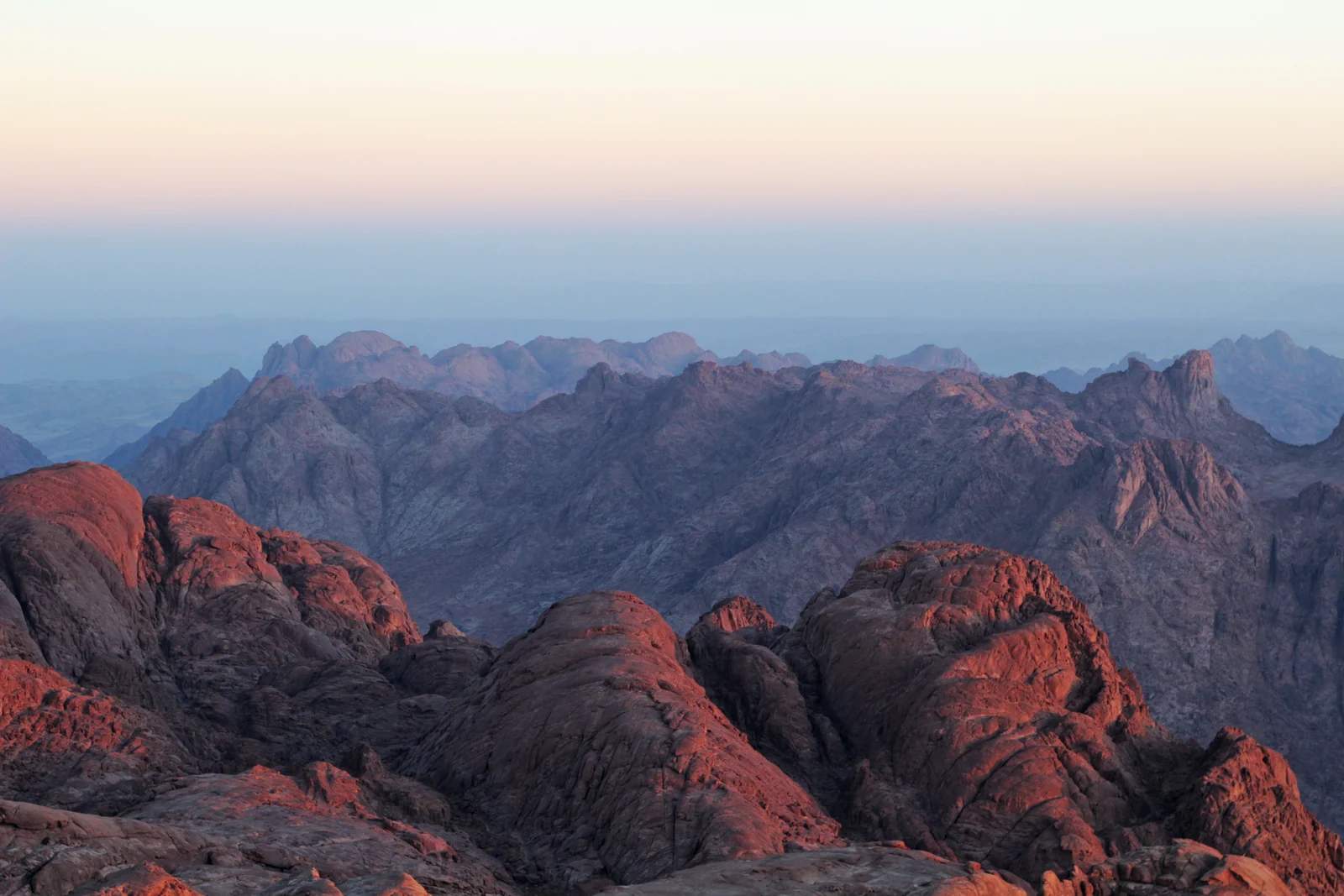
Sharm lies at the southern end of the Sinai peninsula. Its coastal bays, the Gulf of Aqaba side towards Dahab and the mountain interior are distinct settings. Seeing them as separate landscapes helps when planning a trip: a coastal day and a mountain visit ask different things of your time, clothing and transport. The resort view is only one part of a much larger region.
Tradition and historical evidence
The mountain known as Jebel Musa is associated with Moses and the receiving of the Tablets of the Law in religious tradition. That association should not be confused with archaeological proof of every episode in the narrative. The monastery at Saint Catherine, by contrast, provides tangible Byzantine architecture and collections. Visiting the two together can be rewarding if you keep these different kinds of evidence in mind.
A modern chapter
The peninsula also belongs to the history of twentieth-century conflict and diplomacy. United Nations records describe the peacekeeping mission following the 1973 war and the impact of the Egypt–Israel peace treaty in 1979. This context adds depth to the map without turning a holiday guide into a judgement about present-day travel conditions. Current access and travel advice must be checked separately with the relevant authorities.
Local knowledge is part of the visit
Mountain guiding, routes and hospitality should be understood through the people who live in the area. Agree services and prices clearly, ask before photographing people and support operators who explain how local guides participate. Avoid describing communities as a timeless backdrop to a safari. A worthwhile visit leaves room for conversation and for the ordinary present, as well as for the past.
Read the landscape through three stops
An effective introduction to South Sinai can connect three different settings on separate days. In Sharm, observe how bays, beaches and access to the water shape the resort experience. In Dahab, leave time to walk beside the gulf and understand the relationship between the town and its marine activities. At Saint Catherine, change scale: the mountain setting and monastery invite a slower cultural visit. This is a suggested way of reading the region, not a single bookable tour or an assertion that all three stops fit comfortably into one excursion. Check transport for each day separately.
How to go beyond a brief historical summary
Use different sources for different questions. UNESCO provides the heritage framework for Saint Catherine; United Nations historical documents explain particular peacekeeping missions and diplomatic milestones. Neither replaces the account of a local guide about contemporary life, and neither is a current travel advisory. During a visit, ask which parts of a story come from written evidence, religious tradition or oral knowledge. Those distinctions make the account richer. Keep a few notes on places and names to explore later instead of compressing centuries into a single explanation. The region deserves several perspectives and time to understand them.